
During March 4–6, 2026, the University of Aveiro team hosted the third CO2PED Lab in Matosinhos and Gaia, bringing together consortium members and local partners to explore energy transition strategies in the context of social housing and co-evolution in urban environments. This event focused on the CO2PED project's objective to advance inclusive energy transitions through strengthening collective agency and fostering co-evolution between communities and institutional stakeholders.
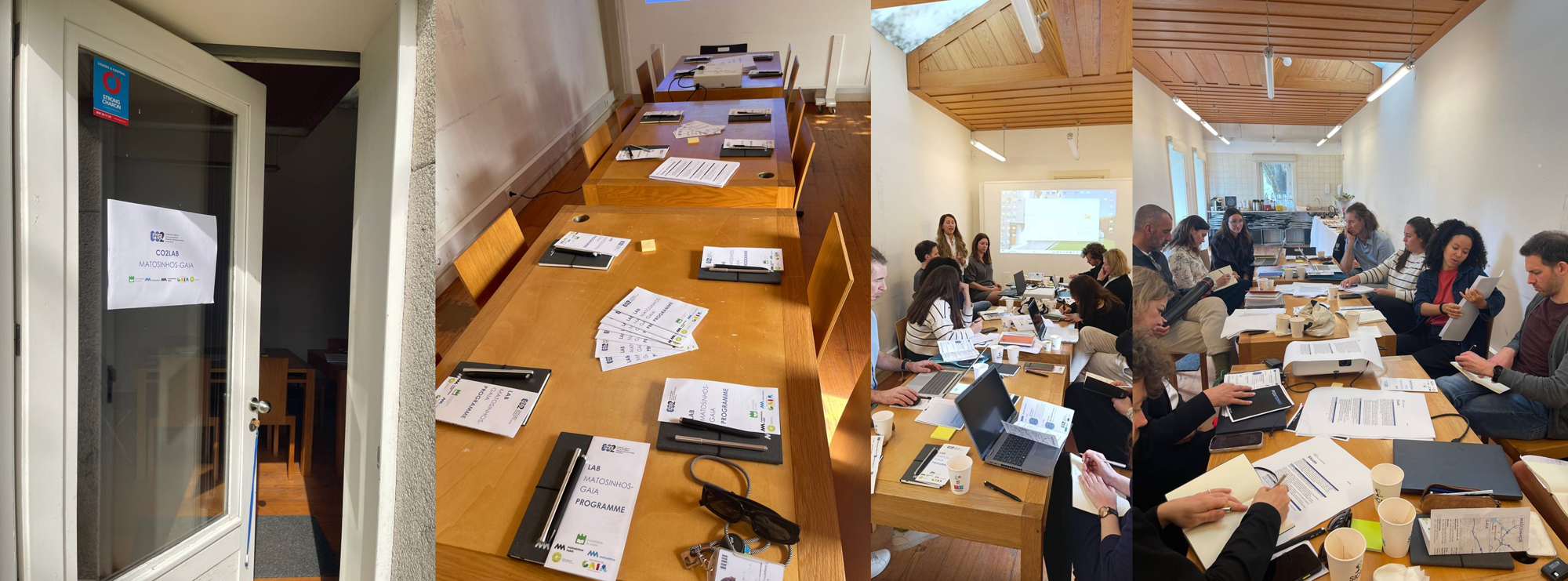
Day 1: Welcome, introducing site visits and CO2PED Toolkit Refinement session
The first day began at Casa da Juventude de Matosinhos with a welcome session by Paulo Silva, followed by a presentation by Bárbara Sousa from MatosinhosHabit, outlining the municipality’s sustainability initiatives and introducing the second day's site visits. The consortium work focused on refining the CO2PED Toolkit, a practical guide for Positive Energy Districts (PEDs). Key discussions centered on the toolkit's structure, objectives, and collective contributions from consortium partners, with presentations of the toolkit manuals and collaborative refinement of the content.
Day 2: Site Visits & Panel Discussion
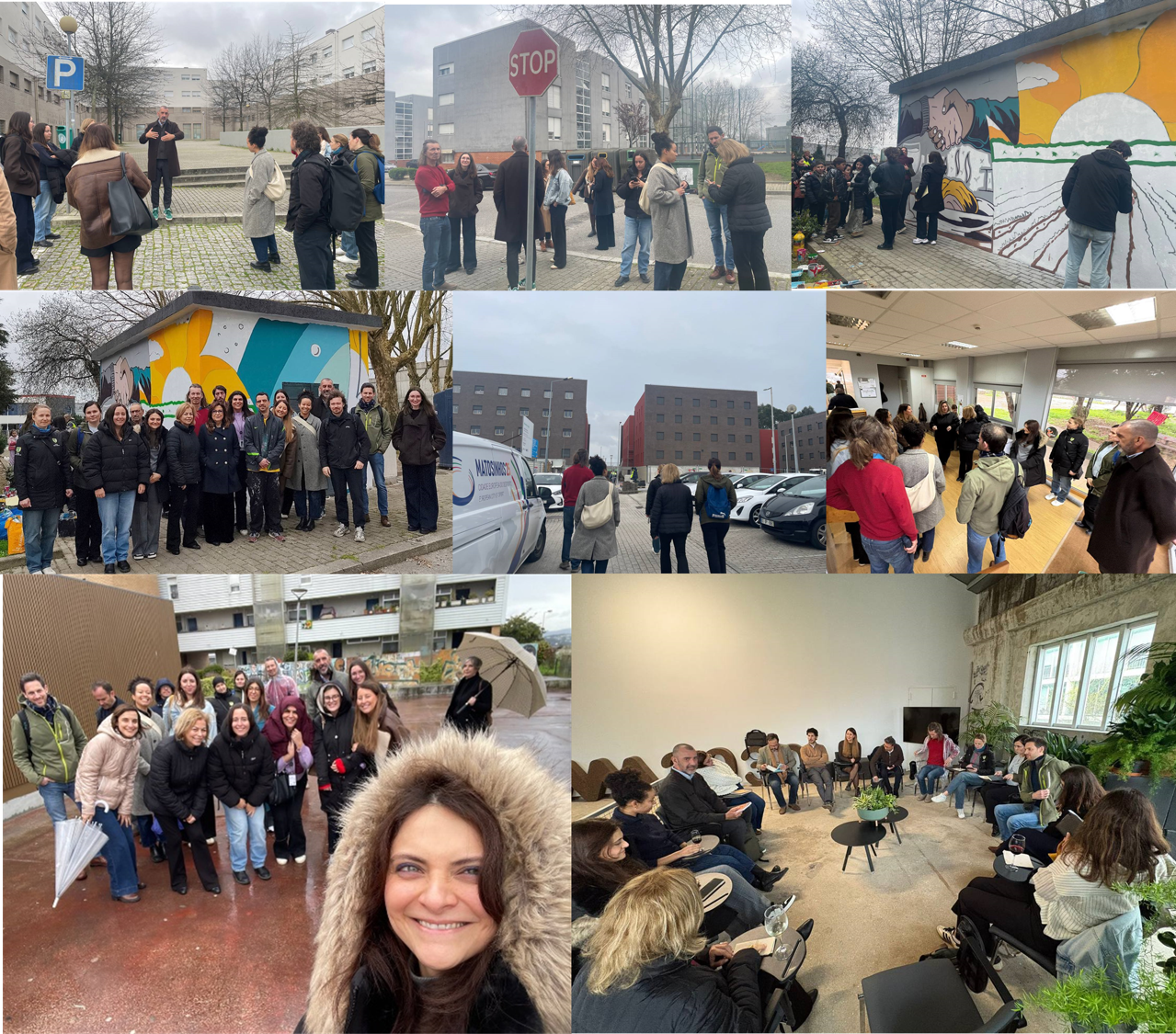
Day two featured site visits led by the MatosinhosHabit team, including Bárbara Sousa, Teresa Saturnino, Elisa Lopes, and Cristina Nora. The team showcased local social housing projects and community-driven initiatives. The group visited Recarei and São Gens neighborhoods, observing ongoing social housing developments and community-led efforts. These visits were accompanied by Deputy Councilor Manuela Alvares, responsible for housing within the municipal executive. A notable stop was the first Second-Chance School created in Portugal, AE2O (Associação para a Educação de Segunda Oportunidade—Second Chance Education), which highlights how collaboration fosters social inclusion and provides learning opportunities for youth at risk of early school leaving. The afternoon was dedicated to visit to the case study in Gaia at D. Manuel Martins neighborhood, guided by Carla Pires, Ricardo Amílcar, and Catarina Ciríaco. The day concluded with a panel discussion titled “What remains of projects beyond their completion for the communities involved in them?” at Fábrica Vasco da Gama a former fish-canning factory transformed into a space for community initiatives and exhibitions. The session was moderated by José Carlos Mota and featured panelists Tiago Lopes (Environmental Engineer at Matosinhos Municipality), David Leite Viana (Head of Urban Planning Division at Matosinhos Municipality), Bárbara Sousa (Social Project Manager at MatosinhosHabit), and Sandra Rosas (Project Manager at Lipor).
Day 3: Co-evolution Session – "Mapping Co-evolution in the CO2PED Project”
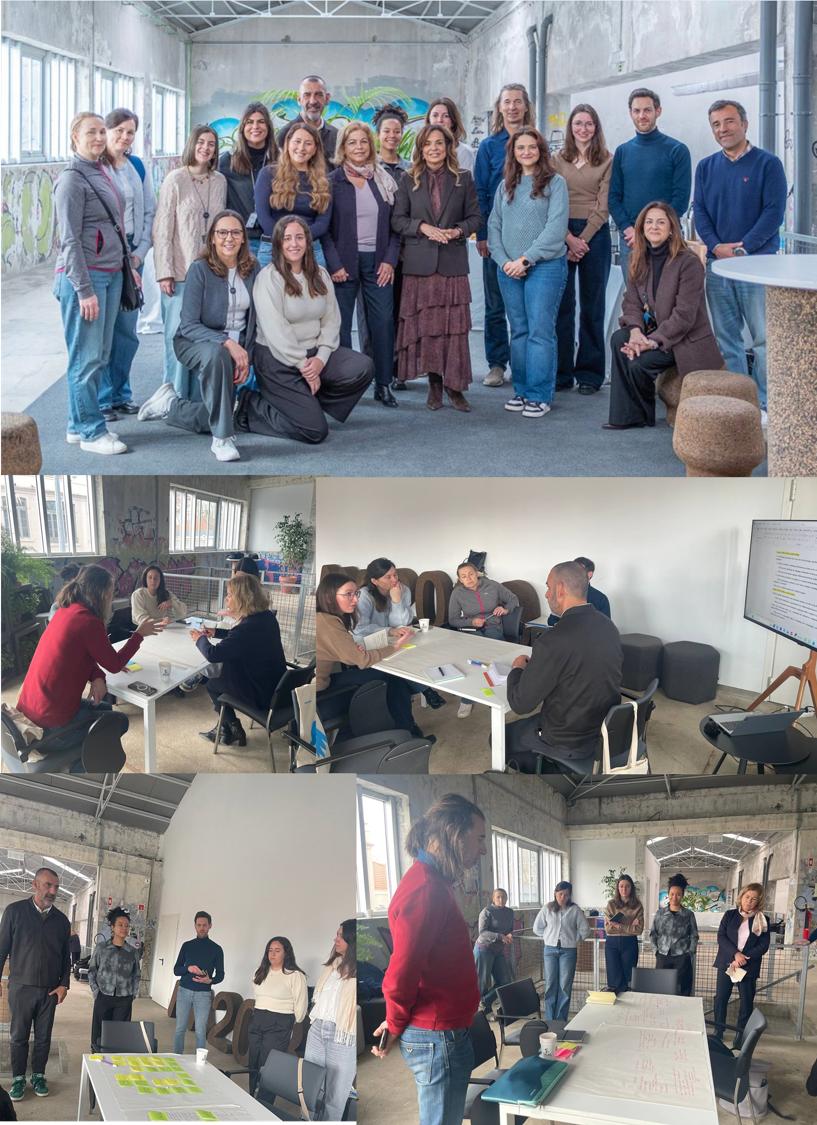
The final day began with the visit of the Mayor of Matosinhos, Luísa Salgueiro, in which the consortium had the opportunity to acknowledge the city's priorities for energy transitions and opportunities for collaboration. Participants then engaged in a co-evolution session using the World Café approach, with discussions centered on collaboration between public stakeholders and community groups. The session, titled “Mapping Co-evolution in the CO2PED Project," explored how bottom-up actions, collective visioning, and technological innovation could complement one another in the context of PED development. The lab concluded with a tour of the current sustainability exhibition at Fábrica Vasco da Gama.
The CO2PED Lab in Matosinhos and Gaia demonstrated the value of collaboration between academic partners, local authorities, and communities, producing actionable insights for the CO2PED Toolkit. The next CO2PEDLab will take place in Estonia in September 2026, continuing the journey toward just and inclusive energy transitions.

